The battle for Ukambani intensifies as leaders shift away from Kalonzo Musyoka
 Paul Nyongesa
The political landscape of Ukambani is witnessing growing turbulence as a number of influential leaders begin charting political paths outside the long-standing influence of Wiper party leader Kalonzo Musyoka. For decades, Kalonzo has been regarded as the undisputed political kingpin of the region, commanding loyalty across Machakos, Kitui, and Makueni counties. However, recent developments suggest the once-unified political bloc could be experiencing new internal shifts ahead of the 2027 General Election.
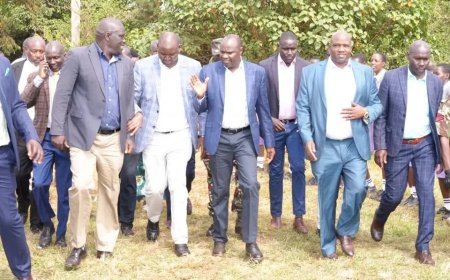
The latest signals of change emerged after Kibwezi West Member of Parliament Mwengi Mutuse led a delegation of leaders affiliated with Maendeleo Chap Chap to a meeting with President William Ruto at State House Nairobi. The visit was widely interpreted by political observers as an indication that a section of Ukambani leaders may be reconsidering their political alignment and exploring new alliances at the national level.
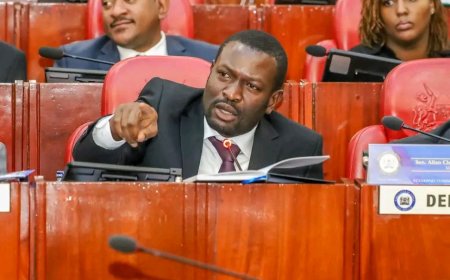
Shortly after, another development added momentum to the unfolding political realignment. Kevin Kinengo, the Speaker of the Kitui County Assembly and a member of Wiper Democratic Movement, mobilised a majority of Members of the County Assembly for a similar visit to State House. Notably, many of the MCAs who participated in the meeting were elected on Wiper tickets, a move that has sparked debate about the cohesion of Kalonzo’s political base.
Political analysts argue that these engagements with the national government reflect a broader recalibration taking place in Ukambani politics. Leaders are increasingly seeking to position themselves strategically as the country begins to focus on the 2027 succession politics.
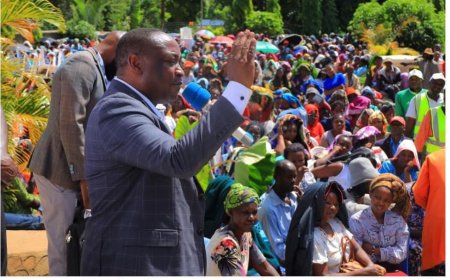
At the centre of the emerging political activity is Augustus Kyalo Muli, the leader of the National Liberation Party (NLP). Dr Muli has been actively promoting the party as an alternative political platform in the region through grassroots mobilisation and legal activism aimed at raising its national visibility.
According to individuals within the party, the NLP has been steadily expanding its membership across the wider Ukambani region. The party has also received support from sections of the influential Anzauni community network, which observers say has strengthened its grassroots appeal.
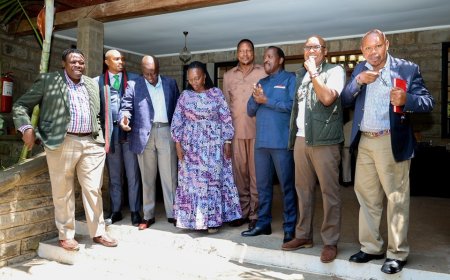
At the same time, several prominent Ukambani leaders—including Charity Ngilu, Alfred Mutua, Johnstone Muthama, David Musila, Jonathan Mueke, Nimrod Mbai and Peninah Malonza—have increasingly been associated with President Ruto’s political camp.
Observers note that the shifting alliances reflect broader debates within the region about political direction and leadership. Some analysts argue that Ukambani politics is gradually transitioning from a single dominant centre of influence to a more competitive political environment.