

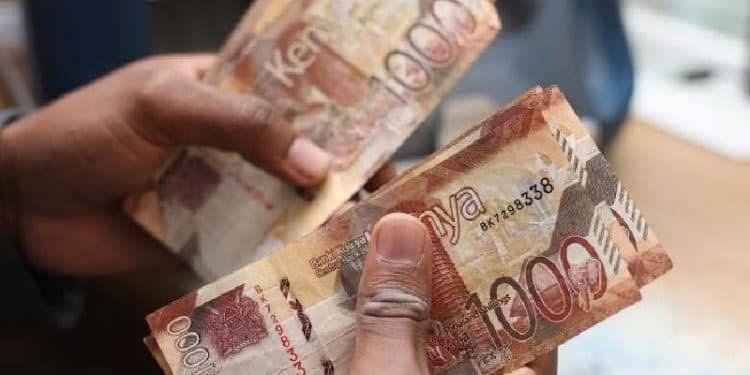
“There’s a sense that the worst of the currency volatility is behind us, at least for now,” said one Nairobi-based currency trader, who asked not to be named because he was not authorized to speak publicly on behalf of his employer. “But nobody is getting complacent. The external environment can shift quickly.”
A Cautious Central Bank
The Central Bank of Kenya has kept a close eye on inflation, balancing the competing pressures of supporting economic growth and maintaining price stability. Policymakers have signaled they intend to move gradually, wary of stoking currency pressure or unsettling investor confidence built up over the past year.
Analysts note that Kenya’s monetary authorities have generally favored a measured approach, adjusting the benchmark lending rate incrementally rather than through abrupt swings. That approach, they say, is designed to give businesses and households time to adjust, while still responding to changes in the inflation outlook.
Inflation in Kenya has moderated from the highs recorded in the aftermath of global supply chain disruptions and elevated fuel and food prices. Still, price pressures on staple goods, particularly maize flour, cooking oil and transport costs, continue to weigh on household budgets, especially in urban centers where wages have not kept pace with the cost of living.
Debt Servicing Remains a Concern
Kenya’s public debt burden continues to be a central theme in discussions among investors and multilateral lenders. The government has pursued a mix of strategies to manage its obligations, including engagement with the International Monetary Fund and efforts to diversify its borrowing away from a heavy reliance on commercial debt.
The country’s Eurobond exposure has drawn particular scrutiny, with rating agencies and bondholders watching closely how Nairobi manages upcoming repayments. Treasury officials have said they are pursuing a strategy of prudent fiscal management, including efforts to widen the tax base and improve revenue collection, though such measures have proven politically sensitive.
Public frustration over taxation boiled over in nationwide protests in 2024, when proposed tax increases were met with widespread demonstrations, prompting the government to withdraw parts of its finance bill. The episode underscored the delicate balance policymakers must strike between fiscal consolidation and public tolerance for new levies.
Remittances and Export Earnings Support the Currency
Diaspora remittances have remained one of the more resilient sources of foreign currency inflows for Kenya, with money sent home by Kenyans living abroad helping to cushion the shilling against external shocks. Officials have highlighted the role of the diaspora as a stabilizing force for the balance of payments, even as other revenue streams have faced pressure.
Agricultural exports, particularly tea, coffee and horticultural produce such as cut flowers, continue to be a vital source of hard currency. Kenya remains one of the world’s leading exporters of black tea, and fluctuations in global demand and weather patterns in tea-growing regions can have an outsized effect on foreign exchange earnings.
Tourism, too, has continued its recovery from the pandemic-era slump, with visitor arrivals climbing steadily as international travel patterns normalize. The sector remains a significant employer and foreign currency earner, and industry groups have called for continued investment in infrastructure and marketing to sustain the momentum.
Banking Sector Adjusts
Kenyan commercial banks have had to recalibrate their lending strategies amid the shifting rate environment. Some lenders have reported more cautious approaches to consumer and small business credit, citing concerns about repayment capacity amid elevated living costs. Others have pointed to steady demand for mortgages and asset financing among the country’s growing middle class.
The banking sector, often seen as a bellwether for the broader economy, has also been navigating new regulatory requirements aimed at strengthening capital buffers. Regulators have pushed lenders to bolster their reserves, a move intended to make the sector more resilient to external shocks after a period of consolidation that saw several smaller banks merge or exit the market.
Mobile-based lending and savings platforms have also grown in prominence, giving many Kenyans, particularly those outside the formal banking system, greater access to credit and financial services. This shift has been welcomed by financial inclusion advocates, though some have raised concerns about the risk of over-indebtedness among borrowers using multiple digital lending apps simultaneously.
Investor Sentiment and the Path Ahead
Foreign investors have shown renewed interest in Kenyan assets, including government securities, as yields remain attractive relative to some regional peers. The Nairobi Securities Exchange has seen periods of increased activity, though trading volumes remain modest compared with larger African markets such as Johannesburg.
Analysts caution that Kenya’s economic trajectory will continue to be shaped by a mix of domestic and global factors, from the pace of interest rate decisions in major economies to weather patterns affecting agricultural output at home. A prolonged drought or unexpected commodity price shock, they note, could quickly alter the calculus for policymakers.
“The fundamentals have improved, but this is still an economy that is exposed to external shocks,” said one Nairobi-based economist. “Investors are watching fiscal discipline, debt management and how the central bank balances growth and inflation control.”
For now, businesses and households appear to be taking some comfort from the relative stability of the shilling, even as they continue to grapple with the broader cost-of-living pressures that have defined much of the past two years. Whether that calm persists will likely depend on how effectively the government can manage its debt obligations while avoiding renewed public backlash over taxation.
Government officials have expressed confidence that ongoing reforms, including efforts to improve tax compliance and reduce wasteful expenditure, will help stabilize public finances over the medium term. Independent economists are more measured, noting that execution risk remains high and that global financial conditions could still complicate Kenya’s borrowing plans.
As the year progresses, market participants say they will be watching upcoming economic data releases, including inflation readings and trade balance figures, for further clues about the direction of monetary policy. Any signs of renewed currency pressure or a sharp uptick in inflation could prompt a more assertive response from the central bank, they say, while continued stability may allow policymakers to maintain their current gradual approach.
Capital Markets Show Signs of Recovery
Kenya’s capital markets have also drawn renewed attention from both domestic and international investors. The Nairobi Securities Exchange, which had endured a subdued stretch marked by thin trading volumes and muted initial public offerings, has seen pockets of renewed activity as sentiment toward frontier and emerging markets has improved more broadly. Brokerage houses report that institutional investors, including pension funds, have gradually increased their allocations to listed equities, while retail participation remains comparatively modest.
Government bonds have continued to attract strong demand at auction, with investors drawn to yields that remain elevated relative to historical norms. Treasury officials have pointed to oversubscription at several recent bond sales as evidence of sustained investor confidence in Kenya’s ability to meet its domestic obligations, even as concerns about the broader debt stock persist. Fund managers note that the composition of investors in government paper has shifted over time, with banks and pension funds continuing to hold the bulk of domestic debt.
Corporate bond issuance, by contrast, has remained relatively limited, with companies citing the cost of borrowing and the dominance of government securities in absorbing available capital. Some business groups have argued that heavy government borrowing from the domestic market has crowded out private sector access to credit, a concern that has featured prominently in discussions between the private sector and fiscal authorities.
Pension and Savings Sector Adjusts
Kenya’s pension industry, which manages a growing pool of retirement savings, has continued to diversify its investment portfolios in search of returns that can keep pace with inflation over the long term. Trustees overseeing retirement schemes have shown greater interest in alternative assets, including real estate and infrastructure-linked investments, alongside traditional holdings of government securities and listed equities.
Regulators overseeing the pension sector have pushed for improved governance standards among scheme trustees and fund managers, part of a broader effort to protect the retirement savings of a growing formal workforce. Officials have also highlighted efforts to expand pension coverage among informal sector workers, who make up the majority of Kenya’s labor force but have historically had limited access to structured retirement savings products.
Household Finances Under Pressure
Despite the relative stability in macroeconomic indicators, many Kenyan households continue to report strained finances, with the cost of basic necessities remaining elevated compared with several years ago. Surveys conducted by research organizations have pointed to persistent concerns among consumers about job security and the affordability of food, housing and transport, even as headline inflation figures have moderated from earlier peaks.
Informal savings groups, commonly known as chamas, remain a widely used financial tool among Kenyans seeking to pool resources for investment or emergency needs, reflecting a broader reliance on community-based financial arrangements alongside formal banking and mobile money services. Financial inclusion advocates say such groups continue to play an important role in extending financial services to populations not fully served by formal institutions, even as digital platforms increasingly offer alternative avenues for saving and borrowing.
Economists say that closing the gap between macroeconomic stability and the lived financial experience of ordinary households will remain a central challenge for policymakers in the period ahead, particularly as the government continues to balance fiscal consolidation with the need to support growth and employment.
Credit rating agencies have continued to monitor Kenya’s fiscal trajectory closely, with periodic reviews weighing the country’s debt sustainability against its track record of revenue mobilization and expenditure control. A stable or improved credit outlook, analysts note, could help lower the cost of future external borrowing, while a downgrade would likely raise borrowing costs at a time when the government is already managing a heavy debt service burden. Treasury officials have said they remain focused on demonstrating fiscal discipline to reassure both domestic and international creditors.

