

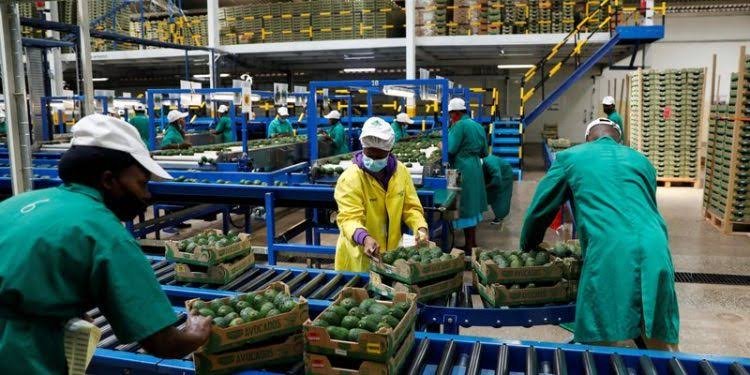
Value Addition Takes Center Stage
A recurring theme among Kenyan agribusinesses has been the push toward value addition — processing raw commodities into packaged, branded products rather than exporting them in bulk. Industry groups argue that Kenya has historically captured only a fraction of the value generated by its agricultural exports, with much of the profit accruing to overseas processors and packagers.
Efforts to build local processing capacity for tea, coffee and horticultural products have gained momentum, supported in part by government initiatives aimed at encouraging manufacturing and agro-processing investment. Officials have pointed to special economic zones and tax incentives designed to attract both local and foreign investment into processing facilities.
Coffee producers, meanwhile, have been working to strengthen direct trade relationships with international roasters, cutting out layers of intermediaries in an effort to capture more value for farmers. Kenyan coffee has a strong reputation among specialty buyers for its bright acidity and complex flavor profile, a quality premium that producers hope to leverage further.
Horticulture Sector Navigates Logistics Challenges
The horticulture sector, which includes cut flowers, vegetables and fruit destined largely for European markets, has faced its own set of challenges, including rising freight costs and logistical bottlenecks. Kenya is one of the largest suppliers of cut flowers to the European Union, and the sector employs hundreds of thousands of people, many of them women, across greenhouses and packing facilities near Lake Naivasha and other growing regions.
Industry representatives say the sector has had to adapt to increased scrutiny over environmental and labor standards from European buyers, prompting many growers to pursue certifications related to sustainable water use, worker welfare and carbon emissions. While these standards can raise compliance costs, exporters argue that meeting them is increasingly a prerequisite for accessing premium markets.
Air freight capacity and cost have also been a persistent concern, given the perishable nature of flowers and fresh produce. Disruptions to global shipping and airfreight networks in recent years have underscored the sector’s vulnerability to external shocks, prompting calls for continued investment in cold chain infrastructure and logistics at Jomo Kenyatta International Airport.
Regional Trade Integration
Kenyan businesses have also been eyeing opportunities presented by regional trade integration, including the African Continental Free Trade Area, which aims to reduce tariffs and non-tariff barriers to trade across the continent. Proponents argue the framework could open new markets for Kenyan manufactured goods and processed agricultural products within East Africa and beyond.
Kenya has traditionally served as a regional hub for trade and logistics in East Africa, with Mombasa’s port acting as a gateway for goods moving into and out of neighboring landlocked countries such as Uganda, Rwanda, South Sudan and the Democratic Republic of Congo. Businesses in the logistics and transport sector say continued investment in road and rail infrastructure, including the standard gauge railway linking Mombasa to Nairobi, has improved the efficiency of regional trade corridors, though bottlenecks remain at border crossings.
Small and medium-sized enterprises, which make up the bulk of Kenya’s private sector, have expressed mixed views on the pace of regional integration. While larger firms with the capital to scale production stand to benefit from wider market access, smaller businesses say they often lack the resources to navigate the regulatory requirements needed to trade across borders.
Manufacturing Sector Seeks a Bigger Role
Kenya’s manufacturing sector has long been targeted by policymakers as an area for growth, with successive governments setting ambitious goals to raise the sector’s contribution to gross domestic product. Progress has been gradual, with manufacturers citing challenges including the cost of electricity, access to affordable credit and competition from cheaper imports.
Industry associations have called for continued government support in the form of tax incentives, improved infrastructure and measures to curb the influx of counterfeit and under-invoiced imports, which they argue undermine local producers. Textile and apparel manufacturers, in particular, have highlighted opportunities linked to preferential trade access to markets such as the United States, though the durability of such arrangements has at times been uncertain amid shifts in trade policy.
Local manufacturers of consumer goods, including food and beverage companies, have also been expanding their footprint across East Africa, viewing regional markets as a natural extension for growth given the size constraints of the domestic market alone.
Retail and Consumer Trends
Kenya’s retail sector has continued to evolve, with local supermarket chains competing alongside international entrants for a growing, increasingly urban consumer base. E-commerce has also expanded, driven by rising smartphone penetration and the widespread use of mobile money platforms that make online transactions more accessible.
Consumer spending patterns have shown signs of caution amid elevated living costs, with shoppers increasingly price-conscious and gravitating toward value-oriented retail formats. Retailers have responded by expanding private label offerings and adjusting product assortments to match changing household budgets.
Outlook
Business leaders across sectors have expressed cautious optimism about Kenya’s economic trajectory, pointing to improving macroeconomic stability and continued government focus on attracting investment. At the same time, many acknowledge that structural challenges, including the cost of doing business, access to affordable financing and infrastructure gaps, will need sustained attention to unlock further growth.
“Kenya remains one of the more dynamic economies in the region, but businesses need predictability, whether that’s on tax policy, currency stability or regulatory processes,” said one industry representative. “Diversifying markets and adding value to what we produce are the clearest paths forward for exporters.”
As global trade patterns continue to shift, with buyers and supply chains adapting to new geopolitical and economic realities, Kenyan exporters say their ability to diversify markets, invest in processing capacity and meet evolving buyer standards will be central to sustaining growth in the years ahead.
Small Business Financing Gap Persists
Access to affordable financing remains one of the most frequently cited obstacles for Kenya’s small and medium-sized enterprises, which form the backbone of the country’s private sector employment. Business owners and industry associations say lending rates, even after periods of monetary easing, often remain too high for many small firms to comfortably service, particularly those without substantial collateral or long credit histories.
Development finance institutions and commercial banks have introduced targeted lending programs aimed at underserved segments, including women-owned businesses and youth entrepreneurs, often in partnership with international development agencies. Proponents say these programs have helped expand access to capital for previously excluded groups, though the scale of such initiatives remains small relative to the overall financing needs of the small business sector.
Alternative financing models, including invoice discounting, equipment leasing and supply chain financing, have gained some traction as businesses seek ways to manage cash flow without relying solely on traditional bank loans. Fintech-enabled lending platforms have also stepped in to fill part of the gap, though concerns about the cost of digital credit and repayment terms persist among consumer advocates.
Real Estate and Construction
Kenya’s construction and real estate sector has continued to expand, driven by urbanization, a growing middle class and government-backed affordable housing initiatives. Developers have pointed to sustained demand for residential units in Nairobi and other urban centers, even as high construction costs and financing constraints have slowed the pace of some projects.
The government’s affordable housing program has sought to address a long-standing shortage of housing units, particularly for low- and middle-income earners, through a mix of public investment and partnerships with private developers. Implementation has faced challenges, including disputes over funding mechanisms and questions about the pace of unit delivery, though officials maintain the program remains a priority for addressing the country’s housing deficit.
Commercial real estate, including office space and retail developments, has seen more mixed performance, with some segments facing elevated vacancy rates as businesses reassess their space needs. Industrial and warehousing space, by contrast, has benefited from growing demand linked to e-commerce and logistics activity.
Energy Sector Investment
Kenya’s energy sector has continued to attract investment, with the country deriving a significant share of its electricity from renewable sources, including geothermal, hydropower and wind. Officials have highlighted the country’s renewable energy mix as a point of distinction within the region and have sought to attract further investment in generation capacity to support industrial growth and expand electricity access in underserved areas.
Businesses across sectors have nonetheless continued to raise concerns about the cost of electricity, which remains relatively high compared with some regional competitors, as well as the reliability of supply in certain areas. Manufacturers in particular have argued that lowering energy costs is essential to improving the competitiveness of Kenyan-made goods in both domestic and export markets.
Labor Market and Youth Employment
Job creation remains a central economic and political priority, given Kenya’s young and rapidly growing population entering the labor force each year. Business groups and government officials alike have pointed to the need for accelerated private sector growth to absorb new entrants to the workforce, with particular emphasis on sectors such as manufacturing, agriculture value addition, technology and the broader services economy.
The informal sector continues to account for the majority of employment in Kenya, encompassing a wide range of small trading, artisanal and service activities. Policymakers have discussed strategies to gradually formalize parts of the informal economy, including simplified registration processes and expanded access to credit and social protection, though progress has been incremental.
Business leaders say that sustaining investor confidence, maintaining macroeconomic stability and continuing to invest in infrastructure and human capital will be essential to generating the kind of broad-based growth needed to meaningfully expand formal employment opportunities in the years ahead.