Tricient School of Medical Health Science and Technology Director Dennis Oketch Advocates HELB Policy Reforms to Benefit Private College Students
 Paul Nyongesa
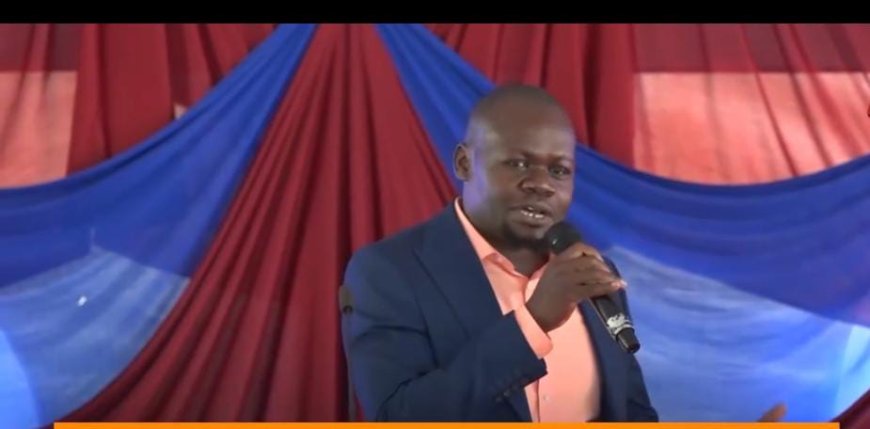
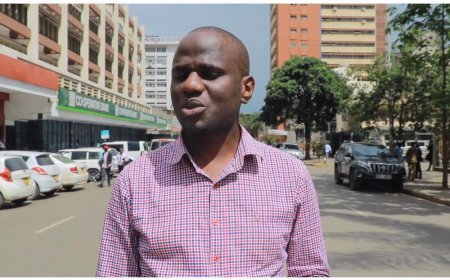
The Director of Tricient School of Medical Health Science and Technology, Dennis Oketch, has raised concerns over the lack of government support for students enrolled in private medical colleges, calling for urgent policy reforms to address funding and access challenges in the sector.
Oketch, who is also the President of Association of Medical Training Institutions of Kenya, said students in private medical colleges continue to be excluded from government assistance, despite their growing contribution to Kenya’s healthcare workforce.
He noted that institutions offering medical training have repeatedly petitioned authorities to ensure that all students, regardless of whether they study in public or private colleges, benefit from available government support.
He appealed to Members of Parliament to consider the realities facing learners in private institutions when debating education and health policies.
According to Oketch, many students are forced to struggle financially or drop out altogether due to the absence of funding mechanisms tailored to private medical colleges.
In addition to funding concerns, Oketch highlighted challenges posed by the current KCSE cluster requirements used to determine eligibility for medical courses.
He explained that many qualified students are unable to pursue key programmes such as pharmacy, medical laboratory sciences, and other critical medical courses because they fail to meet strict cluster points.
According to Oketch, a majority of KCSE graduates miss the required clusters, effectively shutting them out of medical training despite having the interest and potential to serve in the health sector.
He called for a review of the cluster system to make it more inclusive and reflective of the country’s healthcare needs.
“The country needs more trained medical professionals, yet the system continues to limit access,” he said, adding that easing cluster requirements would help bridge the skills gap in healthcare delivery.
He further noted that private medical colleges are united in their push for reforms and are ready to work with policymakers to find sustainable solutions.
Oketch also revealed that through the Association of Medical Training Institutions (AMTI), private medical colleges are taking steps toward self-regulation to enhance quality, accountability, and standards across the sector.
He expressed optimism that collaboration between Parliament, regulators, and training institutions would lead to fairer policies that support students, expand access to medical education, and ultimately strengthen Kenya’s healthcare system.
His comment comes barely a week after Deputy President Kithure Kindiki announced a plan that will see healthcare students access financial support from the Higher Education Loans Board (HELB), marking a major policy shift aimed at easing the financial burden on thousands of trainees.
Speaking during the 94th KMTC graduation ceremony at Kasarani Stadium in Nairobi, Kindiki said the government will convene an urgent meeting with the Ministries of Health, Education and National Treasury to finalise a funding formula that will open HELB loans to all KMTC students.
The DP noted that many trainees face significant financial pressure and said extending HELB support would prevent qualified students from missing out on training due to lack of fees.