

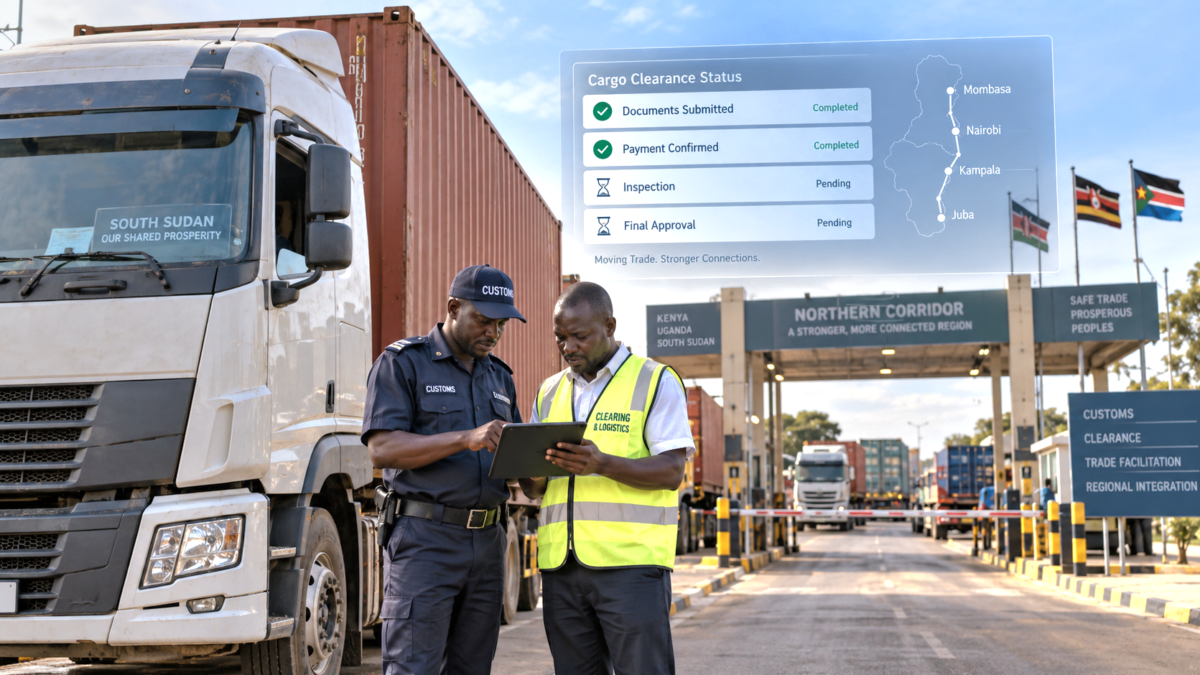
A truck can be ready to move while a document, payment or approval is still waiting somewhere else, which is why modern trade systems increasingly measure the information journey as closely as the physical one.
Cargo release time is often blamed on roads, congestion and physical inspections, yet a shipment can remain stationary even when the truck, driver and goods are ready to move. The delay may instead sit in an administrative stage, where a document has not been recognised, a payment has not been matched or one institution is still waiting for another to confirm that a requirement has been completed.
The World Customs Organization’s Time Release Study is designed to measure that problem by tracking the period from the arrival of goods to their physical release and breaking the total time into separate stages. The method allows authorities and businesses to see whether the delay sits in documentation, inspection, payment confirmation or another part of the clearance process.
The World Bank’s assessment of South Sudan’s digital economy adds a regional dimension, noting that the country’s customs platform faced difficulty integrating with customs systems in Kenya and Tanzania because cross-border integration is inherently complex. The more institutions involved, the more opportunities there are for the same information to be re-entered, delayed or interpreted differently.
CapitalPay’s published reporting and integration service lists secure application programming interfaces, webhooks, reference validation endpoints and registry integration as tools for moving payment information between systems. The purpose of those connections is simple: when a payment is confirmed, the team responsible for the next operational step should receive that information without waiting for a phone call or manually checking another portal.
The Northern Corridor illustrates why that matters because cargo moving from Mombasa towards Uganda and South Sudan crosses several institutional boundaries before reaching its destination. Each border, agency and service provider can add documents, checks and status updates, and every additional handoff creates another place where time can be lost.
A useful release record therefore needs more than a final timestamp. It should show when documents were lodged and accepted, when the assessment was issued and payment confirmed, when inspection began and ended, and when the release request finally became permission for the goods to move.
Even a simple month-long log of those stages can reveal where a clearing agent’s time is disappearing. If payments are regularly completed but not confirmed to the operational team for several hours, the problem is not the road or the truck, and the data gives the business something specific to raise with the responsible party.
Digital trade systems cannot remove every delay because inspections, policy decisions and physical movements still take their own time. Their value lies in reducing the administrative waiting created when information has already moved in one system but has not yet reached the people who need it in another.