

African governments have been urged to accelerate the liberalisation of the continent’s aviation sector and fully embrace open-skies policies to lower airfares, expand connectivity and stimulate economic growth.
748 Air Services Managing Director Moses Mwangi said greater openness in Africa’s aviation market could encourage airlines to establish more routes, increase competition and give passengers more travel options.
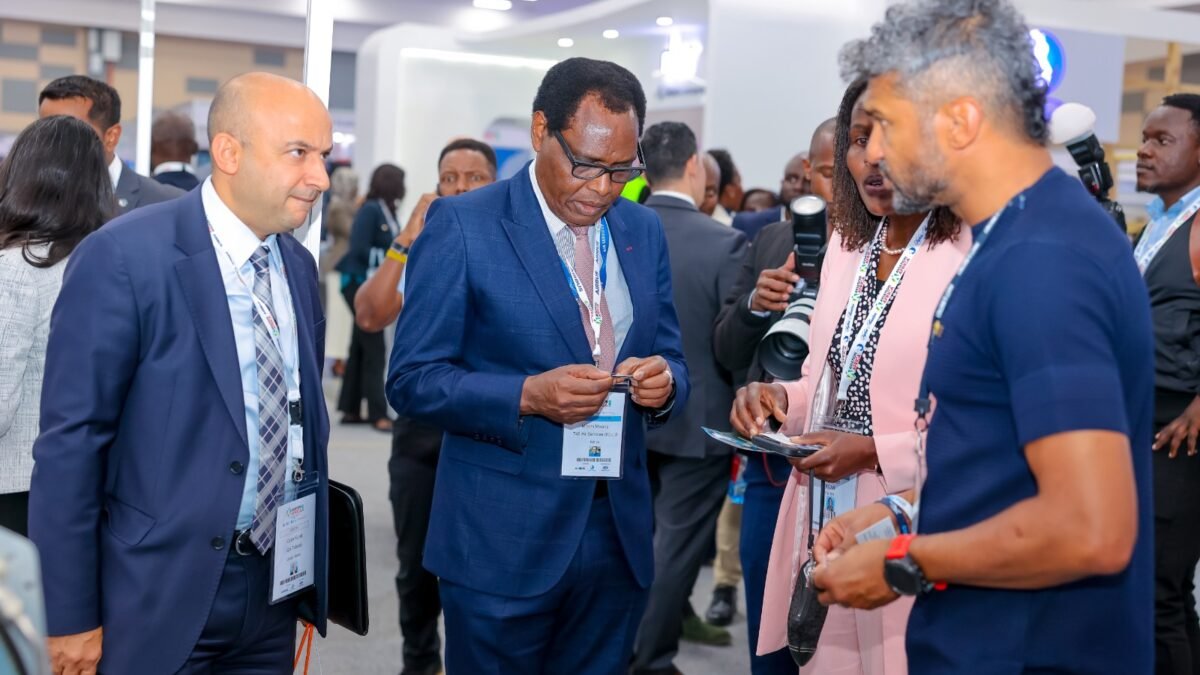
Mwangi made the remarks following the Aviation Africa Summit & Exhibition 2026 in Nairobi, where industry stakeholders discussed ways of transforming connectivity, market access and the cost of air travel across the continent.
“Africa has enormous aviation potential, but unlocking it requires us to look differently at how our markets are connected. Greater openness can create room for more routes, stronger competition and ultimately greater choice for passengers,” Mwangi said.
Despite Africa’s large population and growing demand for business, tourism and leisure travel, its aviation market remains relatively underdeveloped.
Mwangi said reducing ticket prices would require coordinated action by governments, regulators, airports and airlines because the cost of flying is influenced by expenses throughout the aviation ecosystem.
He cited airport charges, infrastructure, regulatory requirements and government policies among factors that can affect the cost of operating routes and ultimately determine what passengers pay.
“Affordable air travel is a function of the entire aviation ecosystem. Competitive airport charges, efficient infrastructure, predictable regulation and policies that encourage connectivity all have a role to play,” he said.
Prime Cabinet Secretary Musalia Mudavadi, who addressed delegates at the summit, noted that travellers moving between some neighbouring African countries are still forced to connect through destinations outside the continent, increasing both travel time and costs.
Mudavadi reiterated Kenya’s commitment to the Single African Air Transport Market (SAATM), an initiative aimed at liberalising air transport across Africa.
He called for greater cooperation through harmonised regulations, mutual recognition of standards, stronger safety oversight, open skies and increased investment in aviation infrastructure.
According to Mwangi, improved intra-African connectivity could boost trade, tourism and investment while benefiting SMEs, manufacturers, traders and professionals who depend on efficient movement of people and goods across borders.
“Africa cannot have a truly integrated economy if it remains difficult or expensive to fly from one African city to another,” Mwangi said.
He added that Africa’s expanding middle class, growing tourism industry and increasing intra-African trade provide a strong foundation for further aviation growth.
748 Air Services also used the summit to engage aviation industry partners and suppliers, including DOTAS Aviation, which recently supported the airline’s sustainability initiatives through the retrofit of LED cabin lighting on its aircraft.
The airline said emerging aviation technologies could help improve energy efficiency, sustainability and the overall passenger cabin environment.