

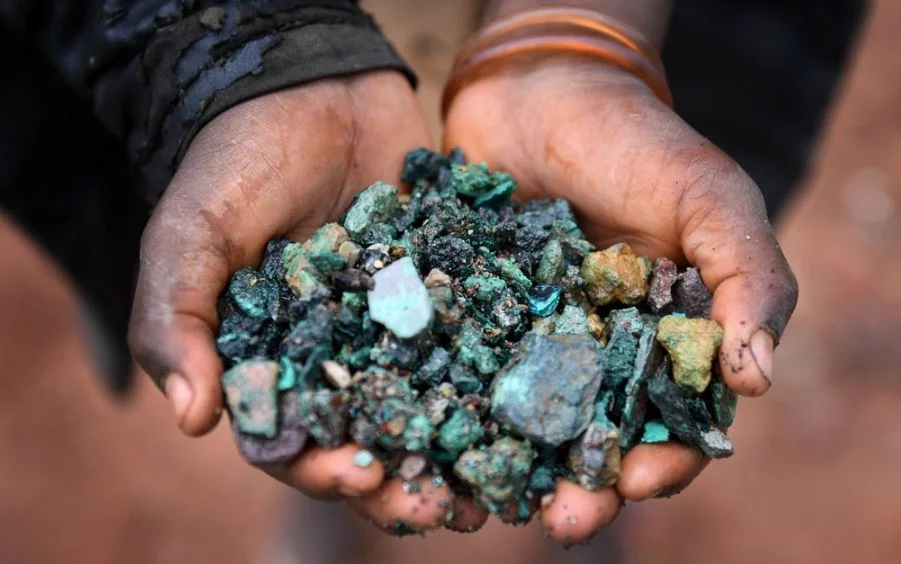
Interest in potential coltan deposits in central Kenya is drawing increasing attention from mining companies and investors, highlighting the country’s growing importance in the global search for critical minerals used in advanced electronics, electric vehicles and defence technologies.
Exploration activity has intensified in areas believed to contain commercially viable coltan deposits, with both local and foreign firms seeking opportunities to secure exploration rights as demand for tantalum – the high-value metal extracted from the ore – continues to rise.
The developments come as governments and manufacturers around the world look to diversify supplies of critical minerals amid geopolitical tensions, supply chain disruptions and the accelerating transition to clean energy technologies.
Coltan, short for columbite-tantalite, is refined to produce tantalum, a heat-resistant metal used in smartphones, computers, semiconductors, aerospace systems, medical devices and electric vehicles. The metal has become increasingly strategic as demand for high-performance electronic components continues to grow.
For Kenya, commercially viable discoveries could mark a significant turning point for a mining sector that has historically been overshadowed by agriculture and services. The country currently produces minerals including titanium, soda ash, fluorspar and gold, but has yet to establish itself as a major supplier of critical minerals.
Industry analysts say successful coltan production could attract new foreign investment, boost export earnings, create jobs and strengthen Kenya’s position within global supply chains for advanced manufacturing.
The growing commercial interest has also raised the political stakes.
Across Africa, valuable mineral discoveries often trigger intense competition for exploration licences and mining concessions because of the substantial revenues they can generate through exports, taxes and royalties. In Kenya, any major coltan project is expected to draw close scrutiny from policymakers, investors and local communities alike.
Mining experts say transparent licensing procedures and strong regulatory oversight will be essential if Kenya is to attract long-term investment while avoiding governance challenges that have affected mining industries elsewhere on the continent.
Land ownership remains another key challenge.
Large-scale mining projects frequently require extensive negotiations with local communities over land access, compensation and environmental safeguards. Previous mining developments in Kenya have faced delays because of disputes over land rights and benefit-sharing, underscoring the importance of early community engagement.
Environmental management is also likely to become a critical issue should commercial mining advance, with regulators expected to balance economic opportunities against concerns over land degradation, water resources and biodiversity.
Kenya’s emerging prospects are unfolding against a broader regional backdrop.
The Democratic Republic of Congo remains the world’s dominant producer of coltan and a major supplier of tantalum, but years of conflict, illegal mining and governance concerns have prompted governments and manufacturers to seek more diversified and traceable sources of supply.
That shift has increased investor interest in mineral-rich regions across Africa, where countries are seeking to position themselves as reliable suppliers of critical minerals needed for the global energy transition and digital economy.
While Kenya’s commercial potential has yet to be confirmed through large-scale production, the country’s geological prospects have already generated growing investor interest. Analysts say that if economically viable reserves are proven and supported by transparent regulation, Kenya could emerge as an important new player in the global tantalum market, offering buyers an additional source of supply at a time when demand for critical minerals is expected to remain robust.