

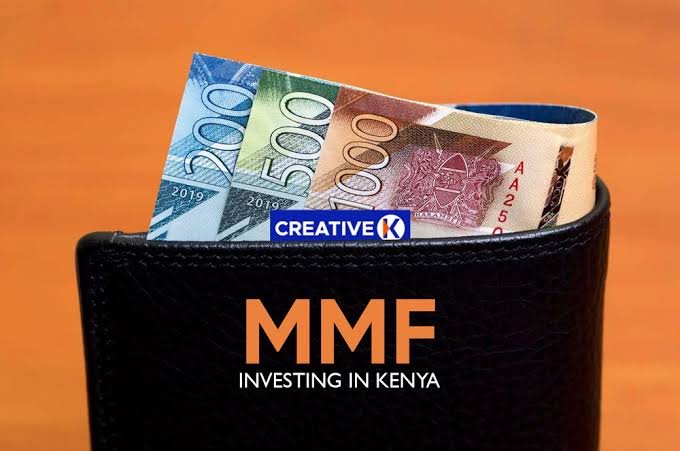
Over the past several years, money market funds have grown rapidly in popularity among Kenyans looking for a middle ground between a low-yielding bank savings account and the higher volatility of the stock market. Advertisements from fund managers promising attractive daily returns are now common on social media and radio, but many people invest without fully understanding what a money market fund actually is, how it generates returns, and what risks, however modest, are still involved. This guide breaks it down in plain language.
What Is a Money Market Fund?
A money market fund is a type of collective investment scheme that pools money from many investors and uses it to invest in a basket of short-term, relatively low-risk financial instruments. These typically include treasury bills issued by the government, fixed deposits with banks, and commercial paper issued by reputable companies. Because these underlying instruments are short-term and generally considered lower risk compared to equities, money market funds tend to offer more stable and predictable returns, though, importantly, returns are not guaranteed and can fluctuate with prevailing interest rates in the economy. This structure makes money market funds fundamentally different from a fixed bank deposit, since the return you earn moves with the market rather than being locked in for a set term.
How Returns Are Generated and Paid
The return you earn from a money market fund comes from the interest earned on the underlying instruments the fund holds, minus the fund manager’s management fee. Most funds in Kenya calculate and accrue interest daily, and this is often reflected as a daily effective annual yield displayed by the fund manager, which can change from day to day depending on market conditions such as prevailing treasury bill rates. Many funds automatically reinvest this interest into your account balance, so your investment can compound over time as long as you do not withdraw the earned interest.
How Money Market Funds Compare to Bank Savings Accounts
A standard bank savings account in Kenya typically offers a modest interest rate, often well below inflation, meaning the real value of money left in such an account can erode over time. Money market funds generally offer meaningfully higher yields because they invest directly in the same kinds of instruments, such as treasury bills, that banks themselves often use to generate returns, but without the overhead costs a full-service bank carries. This does not mean money market funds are without any risk at all; rather, the risk profile is different and generally lower than direct equity investment, but not entirely absent, as discussed below.
Understanding the Risks
While often marketed as very safe, money market funds are not risk-free. The primary risks include credit risk, where an issuer of commercial paper or a fixed deposit institution the fund has invested in could default or face financial difficulty, and interest rate risk, where overall yields can decline if broader interest rates in the economy fall. There have been instances in the Kenyan market where funds with exposure to a struggling institution experienced valuation problems, which is a useful reminder that “low risk” does not mean “no risk.” It is also worth understanding that money market funds are regulated by the Capital Markets Authority, and choosing a fund manager with a strong track record, transparent reporting, and a diversified underlying portfolio reduces, though does not eliminate, these risks.
How to Choose a Money Market Fund
When comparing money market funds in Kenya, look beyond the headline daily yield advertised, since yields fluctuate and today’s top performer may not remain so. Consider the fund manager’s overall track record and reputation, the transparency of their reporting, including whether they publish a detailed breakdown of the fund’s underlying holdings, and the minimum investment and withdrawal terms, since some funds allow withdrawals within a day or two while others may take longer. It is also worth checking the management fee charged, as this is deducted before you receive your net return, and comparing it across a few different fund managers rather than choosing based solely on brand recognition or advertising.
How to Get Started
Most licensed fund managers in Kenya now allow you to open an account and invest entirely through a mobile app or website, with minimum initial investments that can be as low as a few hundred or a few thousand shillings, making the barrier to entry very low compared to many other investment products. The onboarding process typically requires your national identification document, KRA PIN, and a form confirming your source of funds, in line with anti-money laundering regulations. Once your account is set up, you can top up via bank transfer or mobile money and monitor your balance and accrued interest through the provider’s app or a periodic statement.
Good Uses for a Money Market Fund
Money market funds are particularly well suited for money you do not need immediately but might require within the next several months to a couple of years, such as an emergency fund, savings toward a planned purchase, or funds set aside for an upcoming school fees payment. Because withdrawals are generally processed within a few business days, rather than instantly, a money market fund is not ideal for money you might need at a moment’s notice, in which case a portion should remain in a more liquid account. For very long-term goals, such as retirement decades away, a diversified mix that includes some equity exposure alongside money market holdings may offer better long-term growth potential, since money market returns, while steadier, are unlikely to outpace inflation by a wide margin over very long periods.
Tax Considerations
Interest earned on money market funds in Kenya is generally subject to withholding tax, which is typically deducted automatically by the fund manager before the return is credited to your account. This means the yield you see advertised is often a gross figure, and it is worth confirming with your chosen fund manager whether displayed rates are gross or net of tax, so you have an accurate picture of your actual take-home return.
Common Mistakes to Avoid
A few mistakes are common among first-time money market fund investors. One is chasing the single highest advertised daily yield without checking the underlying fund manager’s stability and track record. Another is placing money you need for an imminent, fixed expense into a fund, only to be caught out by the few days it can take to process a withdrawal. A third is failing to diversify entirely into a single fund manager when investing significant sums, rather than spreading larger amounts across two or more reputable providers to reduce concentration risk. Finally, some investors forget to periodically review their fund’s performance and fee structure, missing the point at which switching to a better-performing or lower-cost option might make sense.
A Simple Worked Example
Suppose an investor places fifty thousand shillings into a money market fund and leaves it untouched for one year, with interest reinvested daily. Even a modest, realistic net yield, after fees and tax, compounding daily, will typically leave the investor with noticeably more than the original fifty thousand shillings by year end, and importantly, considerably more than the same amount would have earned sitting in a standard bank savings account over the same period. The exact figure depends entirely on prevailing rates at the time, which is why it is important to check a fund’s current, published effective annual yield rather than relying on outdated figures, including those in this article, before making a decision.
Combining Money Market Funds With Other Tools
Money market funds work best as one component of a broader financial plan rather than the sole destination for all your savings. A practical structure many financial educators recommend is to keep a small, highly liquid buffer in a mobile money or bank account for truly immediate needs, place your core emergency fund and medium-term savings goals in a money market fund for better returns with reasonable access, and direct longer-term savings, such as retirement funds, toward a mix that includes equities, sacco shares, or pension schemes, which tend to offer greater growth potential over long time horizons despite higher short-term volatility. Viewed this way, a money market fund is not necessarily where all your money should live permanently, but rather a highly useful staging area for money that needs to grow modestly while remaining reasonably accessible.
Frequently Asked Questions
Are money market funds insured like bank deposits?
No. Money market funds are investment products regulated by the Capital Markets Authority, not deposit accounts, and they are not covered by the deposit insurance scheme that protects certain bank deposits. This is an important distinction, since it means the safety of your investment depends on the quality and diversification of the fund’s underlying holdings rather than a government-backed deposit guarantee.
How long does it take to withdraw money from a money market fund?
This varies by fund manager, but withdrawals commonly take between one and three business days to be processed and reflected in your bank or mobile money account. Some providers may offer faster processing for smaller amounts. Always confirm current withdrawal timelines directly with your chosen provider, since this can change.
Can I lose money in a money market fund?
While uncommon, it is possible for a fund’s value to be affected if one of its underlying investments, such as commercial paper from a struggling company, faces default or valuation problems. This is precisely why choosing a well-diversified, reputable, and transparent fund manager matters, rather than assuming all money market funds carry identical, negligible risk.
Is the advertised daily yield the amount I will actually receive?
Advertised yields are typically gross figures before any applicable withholding tax and, in some cases, before fund management fees are already netted out, depending on how the specific provider presents its numbers. Always clarify with the fund manager whether the displayed rate is gross or net, so your expectations match what will actually land in your account.
Final Thoughts
Money market funds have earned their popularity in Kenya by offering a genuinely useful middle ground between low-yield bank accounts and higher-risk investments, combined with the convenience of mobile-based access. They are not entirely without risk, and headline advertised yields should always be weighed against a fund manager’s track record, transparency, and fee structure rather than taken at face value. Used thoughtfully, as part of a broader financial plan that also includes an emergency buffer, sacco savings, and longer-term investments, money market funds can be an effective tool for growing your savings safely over time.
This article is for general informational purposes and does not constitute personalized financial or investment advice. Yields mentioned are illustrative and fluctuate regularly; always check current rates and fund fact sheets directly with a Capital Markets Authority licensed fund manager before investing.