

A U.S. activist of Kenyan descent, backed by some African American civil rights activists, has urged Kenya and other African governments to closely examine the United States’ Global Health Strategy, arguing that policymakers should independently assess its potential implications for public health systems, national sovereignty and long-term development before adopting its provisions.
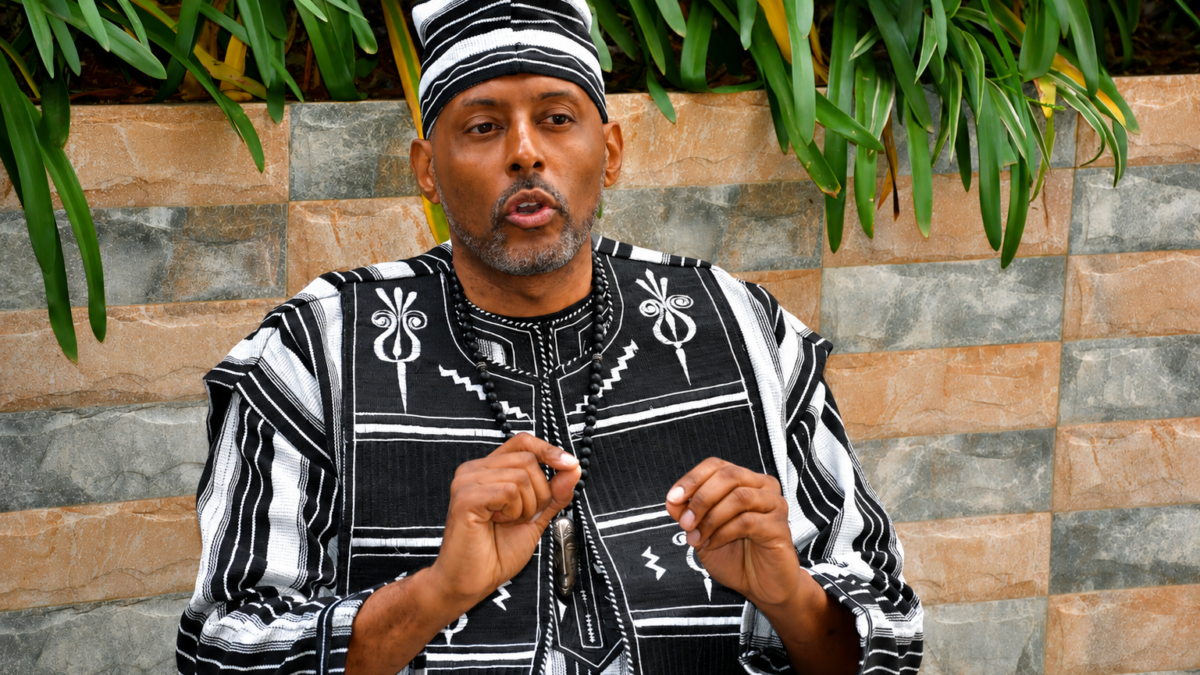
Speaking to journalists in Nairobi, activist Ayo Kimathi said African countries should conduct their own reviews of the strategy’s objectives, implementation framework and expected outcomes rather than relying solely on external partners. He argued that governments should ensure any international health partnership aligns with domestic priorities and reflects the interests of local populations.
Kimathi questioned whether the strategy adequately addresses Africa’s healthcare priorities and said greater public consultation would strengthen confidence in major international health initiatives.
“This initiative, alongside policies such as those relating to genetically modified organisms (GMOs), should have undergone broader public debate and independent expert review,” Kimathi said. He added that he believes the initiative warrants closer scrutiny before implementation.
The U.S. government has described its Global Health Strategy as a framework for strengthening global health security, improving disease surveillance, preventing future outbreaks, reinforcing health systems and expanding equitable access to healthcare through partnerships with participating countries.
Supporters of the initiative say it is designed to improve cooperation between governments while helping partner countries build stronger and more resilient health systems.
Kenyan President William Ruto has welcomed the agreement, describing it as a five-year bilateral partnership backed by approximately $1.6 billion in U.S. funding and $850 million in Kenyan domestic financing.
According to Ruto, the programme is intended to channel more healthcare funding through government institutions instead of non-governmental organisations, supporting Kenya’s goal of strengthening its health system and advancing greater national ownership of healthcare services by 2030.
The debate reflects broader discussions across Africa over the role of foreign-funded health programmes. Supporters argue international partnerships have contributed significantly to disease control, healthcare financing and capacity building, while critics say governments should place greater emphasis on transparency, accountability and locally driven policy development.
Kimathi also alleged that some international health initiatives have advanced the interests of powerful groups rather than those of recipient countries. He further claimed that COVID-19 was deliberately caused and questioned the safety and purpose of vaccination programmes.
However, those allegations are not supported by credible scientific evidence. Extensive investigations by international health authorities and independent researchers have found no evidence that COVID-19 was intentionally released as a bioweapon or that vaccination programmes are designed for population reduction. Public health agencies worldwide maintain that vaccines remain among the most effective tools for preventing infectious diseases and reducing deaths.
The United States and Kenyan governments have not publicly responded to Kimathi’s latest remarks. The Global Health Strategy continues to be presented by both governments as a framework for expanding cooperation on healthcare financing, disease prevention and health system resilience.